

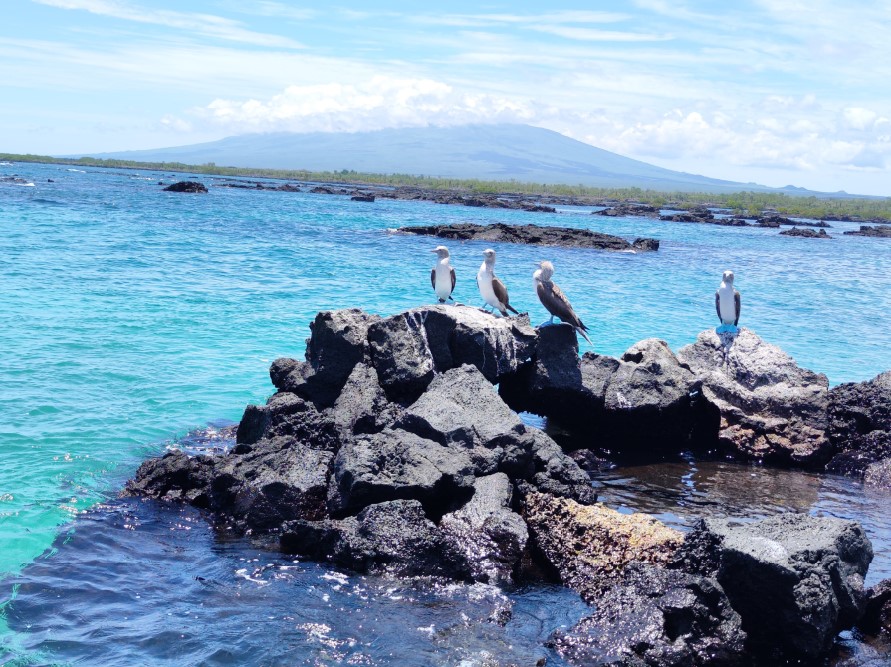
Ecuador is a country in South America, known for its incredible biodiversity and cultural heritage. It’s a perfect destination for those who love to explore nature and want to immerse themselves in the local culture. In this article, we’ll take a journey through Ecuador Travel Agency, with a special focus on the volcanoes of the Ecuadorian highlands and the Galapagos Islands.
Ecuador is a country that offers a unique experience for travelers who want to immerse themselves in nature and culture. From the Galapagos Islands to the Andean highlands, from the Amazon rainforest to the Pacific coast, Ecuador has something for everyone. In this article, we’ll explore the best destinations that Ecuador has to offer, with a special focus on the volcanoes of the Ecuadorian highlands and the Galapagos Islands.
Ecuador’s Top Destinations
Ecuador is a country that offers a wide variety of destinations to explore. From the coast to the highlands, from the Amazon rainforest to the Galapagos Islands, each region has its own unique charm. Here are some of Ecuador’s top destinations:
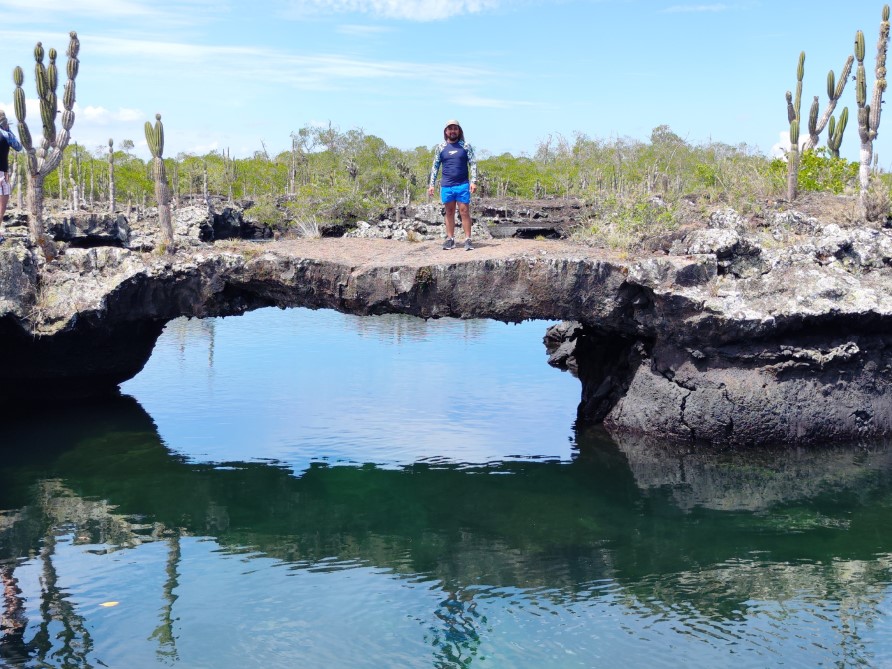
The Galapagos Islands: A Unique Paradise
The Galapagos Islands are a unique paradise located 1,000 km off the coast of Ecuador, You can go there with Galapagos islands tours. This archipelago is known for its incredible biodiversity, with many endemic species that can’t be found anywhere else in the world. The islands were also visited by Charles Darwin during his famous voyage on the HMS Beagle, which led to the development of his theory of evolution.
The Galápagos Islands are renowned for their diverse and abundant wildlife, which includes giant tortoises, marine iguanas, blue-footed boobies, Galápagos penguins, sea lions, and many other species that are exclusive to the islands. Visitors can observe these animals up close in their natural habitats, making it a truly unique and unforgettable experience. The islands also offer breathtaking landscapes, ranging from volcanic craters (Los Gemelos) and lava fields to pristine beaches, lava caves and turquoise waters. Each island has its own distinct features, offering a variety of landscapes to explore and admire. Snorkeling and diving in the crystal-clear waters of the Galápagos are a paradise for enthusiasts, with diverse marine life, including sea turtles, sharks, colorful fish, gold rays, sea cucumber and other fascinating creatures. There are many reasons to visit the enchanted islands of the Galapagos that you should consider on your next vacation..
The Ecuadorian highlands are a region located in the Andes Mountains, where visitors can find the Cotopaxi, Chimborazo, Sangay, Cayambe which are some of the highest in the world. This region is also home to many indigenous communities that have preserved their traditional way of life.
Here are some of the top destinations in the Ecuadorian highlands:
Quito: A City Between Mountains
Quito, the capital of Ecuador, is listed on the UNESCO World Heritage List. It’s located at an altitude of 2,850 meters above sea level, surrounded by mountains. The city has a rich cultural heritage, with many historic buildings and museums to explore. Visitors can also take a cable car to the top of the nearby Pichincha volcano for stunning views of the city.
Cotopaxi: The World’s Highest Active Volcano
Cotopaxi is a majestic volcano located about 50 km south of Quito. It’s the highest active volcano in the world, with an altitude of 5,897 meters. Visitors can hike up to the refuge located at an altitude of 4,800 meters and enjoy the stunning views of the surrounding landscape. The national park surrounding the volcano is also a great place for birdwatching and other outdoor activities.
Baños: An Adventure Haven
Baños is a small town located in the Andean highlands, known for its hot springs and adventure activities. Visitors can go rafting, ziplining, canyoning, and bungee jumping, among other activities. The town is also surrounded by waterfalls and hiking trails that offer stunning views of the Tungurahua volcano.
Chimborazo: The Closest Point to the Sun
Chimborazo is the highest mountain in Ecuador, with an altitude of 6,263 meters. It’s also known as the closest point to the sun, due to its location on the equator. Visitors can hike up to the base camp at an altitude of 4,800 meters and enjoy the stunning views of the surrounding landscape. The national park surrounding the mountain is also a great place for wildlife watching.
The Ecuadorian Amazon: A Biodiverse Wilderness
The Ecuadorian Amazon is a region located in the eastern part of the country, known for its incredible biodiversity and indigenous communities. Visitors can explore the rainforest on foot or by canoe, and see a wide variety of wildlife, such as monkeys, birds, and reptiles. The region is also home to many traditional communities that have preserved their way of life, and visitors can learn about their culture and customs.
The Coast: Sun, Beaches, and Culture
The Ecuadorian coast is a region located on the Pacific Ocean, known for its sunny beaches and rich cultural heritage. Visitors can enjoy the sun and sand, and also explore historic cities such as Guayaquil and Cuenca. The region is also famous for its cuisine, which includes seafood dishes and tropical fruits.
Conclusion
Ecuador is a country that offers a unique experience for travelers who want to explore nature and immerse themselves in the local culture. From the Galapagos Islands to the Andean highlands, from the Amazon rainforest to the Pacific coast, Ecuador has something for everyone. We hope this article has inspired you to plan your next trip to Ecuador and discover its best destinations.
If you’re planning your next trip to Ecuador, make sure to check out our travel guide for more information and tips.

